

Search
The Rare & Early Newspapers Hobby

Receive the Newsletter

Buy Historic Newspapers

The Founding of the CIA… John Jay’s Committee for Detecting and Defeating Conspiracies…
July 20, 2026 by Laura Heilenman · Leave a Comment
In a previous post we told the story of Thomas Hickey, the security guard for George Washington who was the 1st military execution.
The Hickey Plot exposed a dangerous reality: the Revolution faced threats not only from British armies on the battlefield but from spies, saboteurs, and disloyal citizens within Patriot-controlled territory. New York, with its large Loyalist population and strategic importance, was especially vulnerable.
In response, the New York Provincial Congress took decisive action. In mid-1776, it established what would become the Committee for Detecting and Defeating Conspiracies. This body was tasked with “inquiring into, detecting and defeating all conspiracies which may be formed in this State against the liberties of America.”
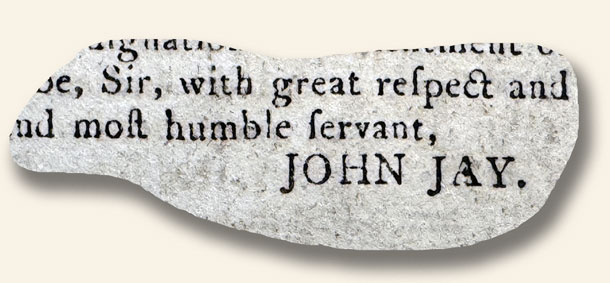 Heading the committee was a 30-year-old lawyer and rising Patriot leader: John Jay.
Jay, who would later become the first Chief Justice of the United States and a co-author of The Federalist Papers, had already proven himself a skilled organizer. The committee operated as America’s first dedicated counterintelligence organization. Its members investigated suspected Loyalists, interrogated prisoners, gathered intelligence on enemy activities, made arrests, and even ran clandestine operations.
Over its existence, the committee handled more than 500 cases involving disloyalty, espionage, and subversion. It detained influential figures, broke up spy rings, and helped secure the Patriot rear lines during some of the war’s most critical early months. Historians and intelligence professionals today widely recognize Jay as the founding father of American counterintelligence.
The story of the Hickey Plot and Jay’s committee reminds us that threats to democracy often come from within as much as from without. It also shows how crisis can drive innovation. In the face of existential danger, a group of determined Patriots created one of the first organized intelligence efforts in American history — not out of ambition, but out of necessity.
Today, as we reflect on the Revolutionary era, we usually celebrate battles and declarations. But behind the scenes, quiet work by men like John Jay helped ensure the Revolution survived long enough to succeed.