Astronauts in space may be controversial in the USA, however, even conspiracy theorists don’t argue about Yuri Gagarin. On April 13, 1961, the Soviet newspaper Komsomolskaya Pravda [1] captured that undeniable triumph on its front page. A large, heroic photograph of the 27-year-old cosmonaut dominated the layout, his confident smile and flight suit projecting the image of a new Soviet hero. The previous day, April 12, Gagarin had become the first human to travel into outer space, completing a single orbit aboard Vostok 1 in just 108 minutes. The paper’s bold headlin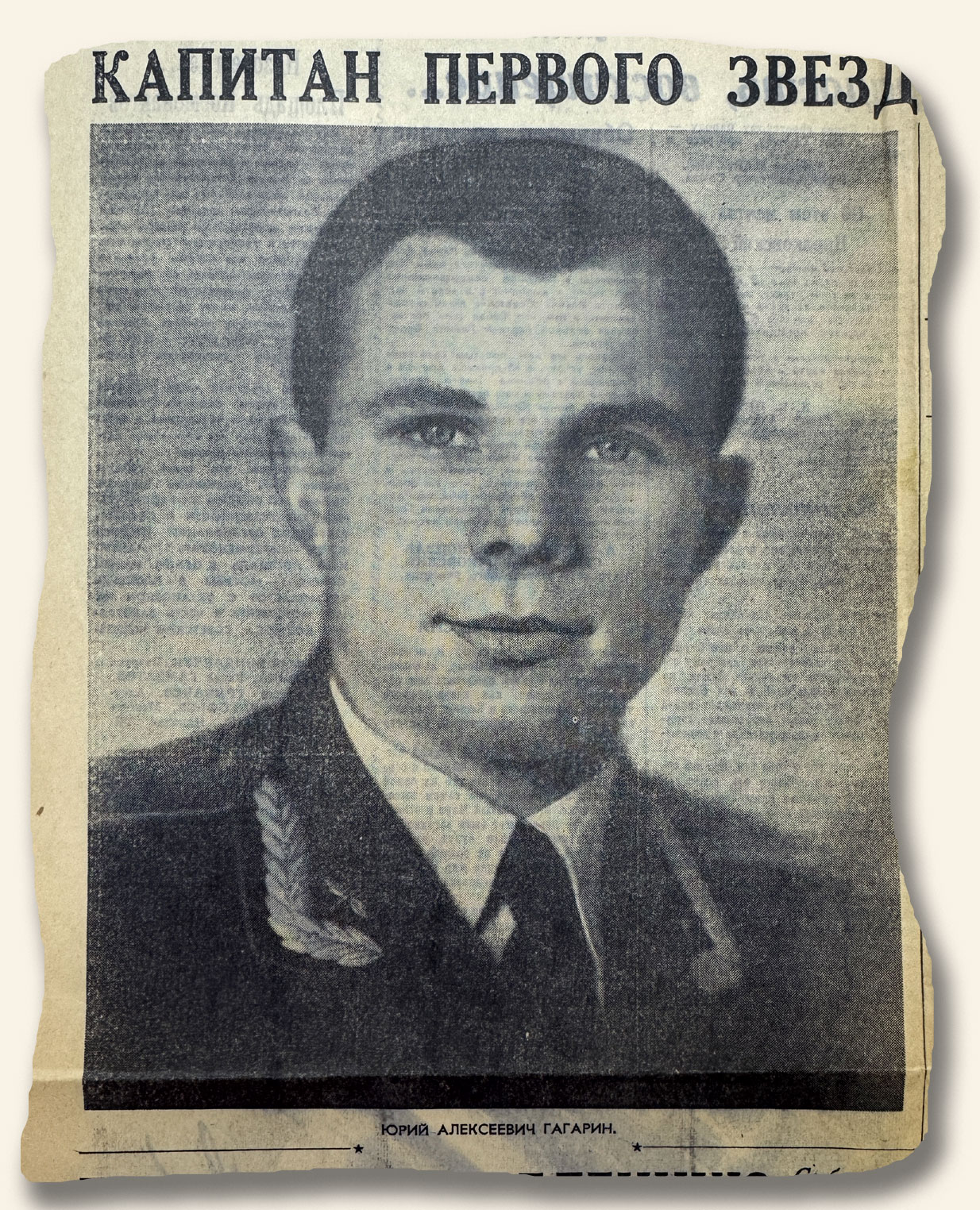 es and celebratory tone reflected pure national pride. Gagarin’s flight was presented not merely as a scientific milestone but as definitive proof of socialist superiority in the unfolding Space Race. While American efforts still lagged—Alan Shepard’s suborbital hop would not occur until May 5… the Soviet press framed the achievement as an irreversible lead. Readers saw Gagarin’s face as the face of progress, youth, and the future. Komsomolskaya Pravda, the official organ of the Communist Youth League, specialized in reaching a younger audience. Its coverage blended technical details of the mission with accessible, uplifting language designed to inspire. The large portrait on the front page served a dual purpose: it humanized the extraordinary feat and turned Gagarin into an instant icon. Ordinary citizens could look at that image and feel connected to the cosmos. This April 13 edition remains a vivid historical artifact. It shows how the Soviet Union communicated victory in real time, using bold photography and confident prose to shape public memory. Gagarin’s flight marked a genuine first for humanity, and this issue of Komsomolskaya Pravda preserved the excitement of that moment for its readers… and for history.